Materials
Quartzite vs Quartz: The Difference Every Buyer Should Know
Quartzite vs quartz compared: natural stone vs engineered surface. See how they differ in durability, heat resistance, maintenance, outdoor use and cost.
Surfular Editorial Team · Updated · 8 min read
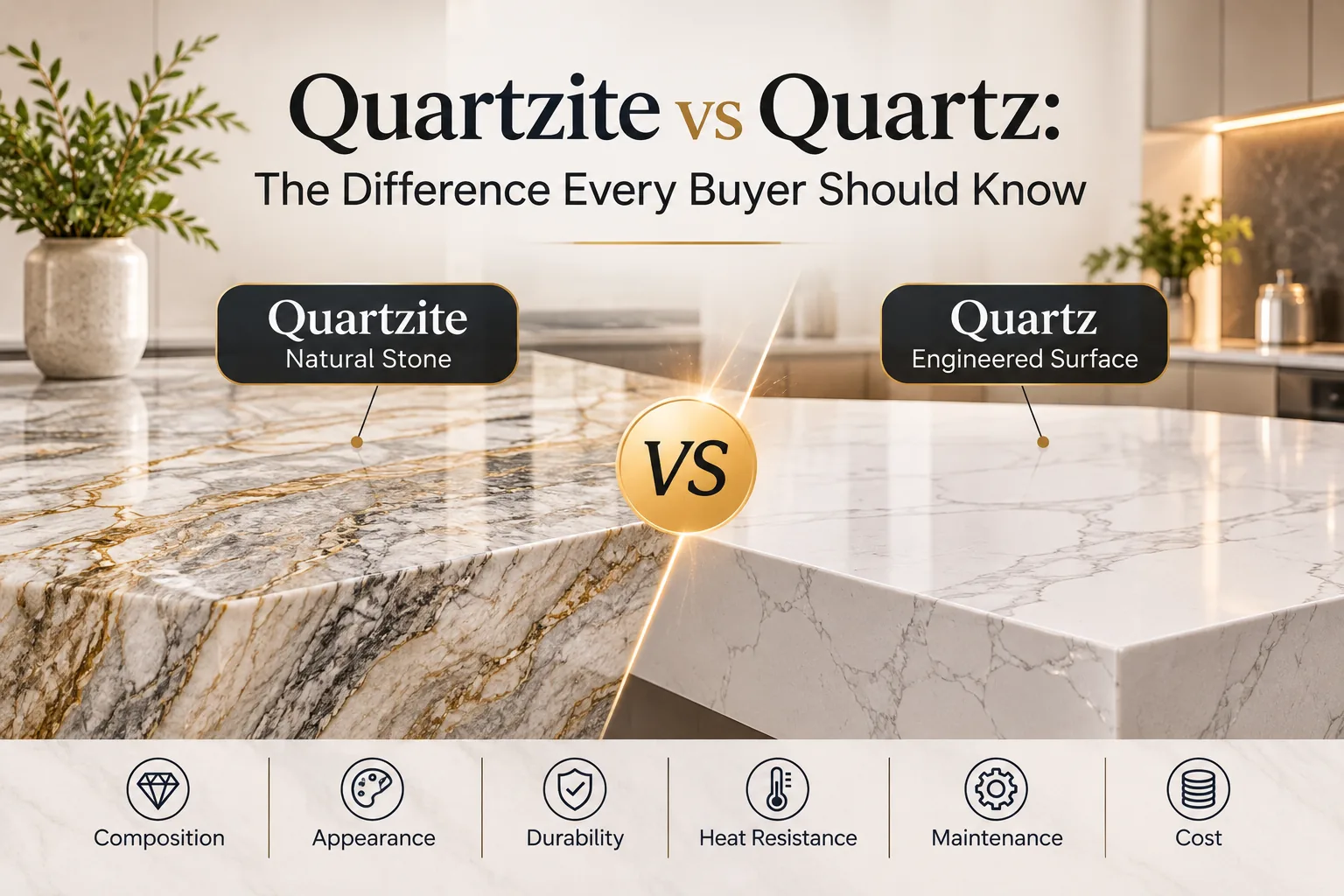
When choosing a surface for a kitchen countertop, bathroom vanity, backsplash, or commercial interior, two materials often create confusion: quartzite and quartz. Their names sound almost identical, and both are known for their durability and attractive appearance. However, they are two very different materials.
The biggest difference is their origin. Quartzite is a natural stone formed deep within the Earth, while engineered quartz is a manufactured surface made using crushed quartz minerals, resins, and pigments.
Understanding the difference between quartzite vs quartz can help buyers, architects, interior designers, fabricators, and homeowners select the right material for their projects.
In this guide, we compare their composition, appearance, durability, maintenance, heat resistance, applications, and other important factors to help you make an informed decision.
1. What Is Quartzite?
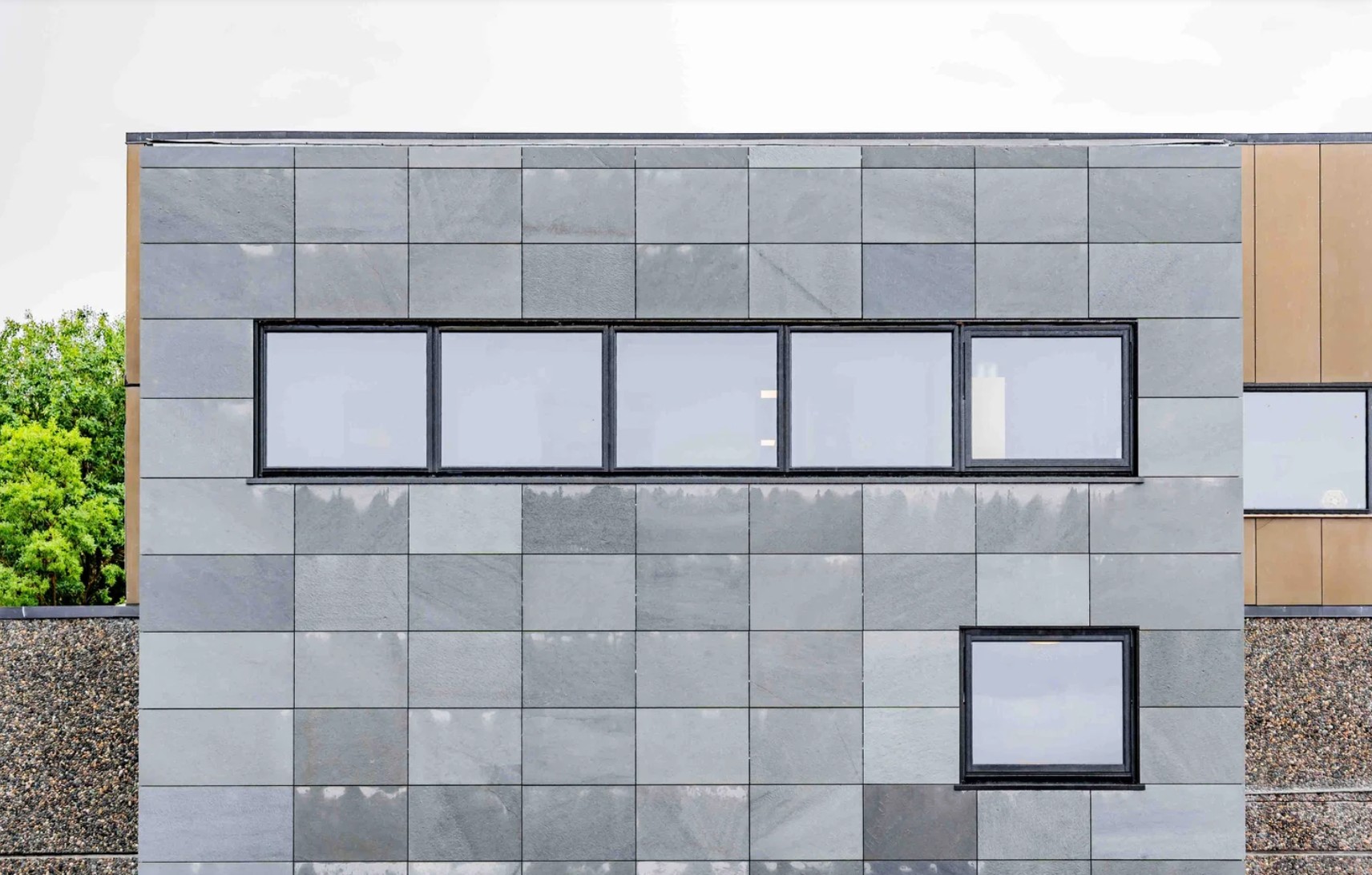
Quartzite is a natural metamorphic rock formed when quartz-rich sandstone is exposed to intense heat and pressure over millions of years. During this geological process, the original sand grains recrystallise and bond together, creating a dense and exceptionally hard natural stone.
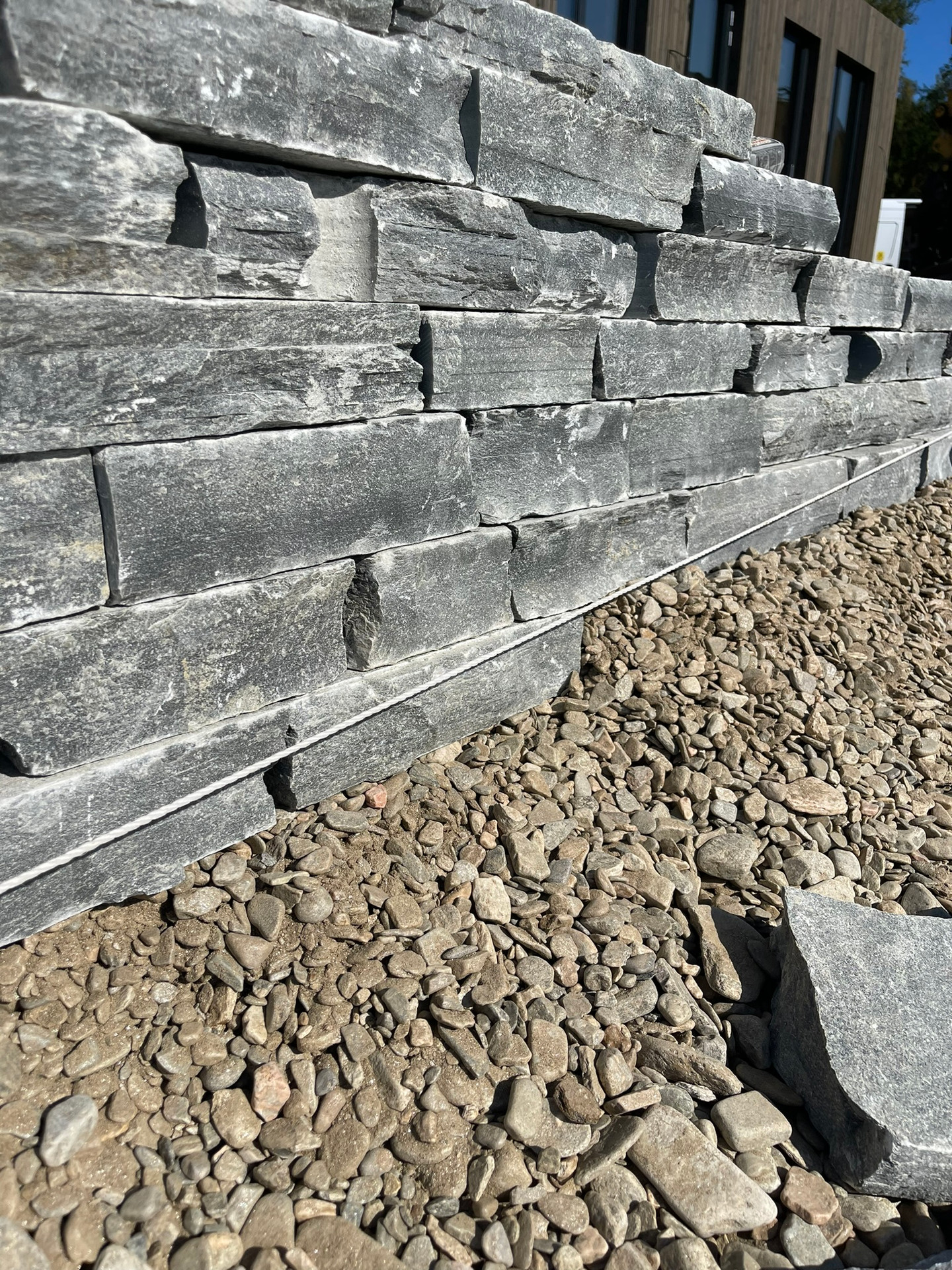
Quartzite is extracted from quarries in large blocks, which are then processed into slabs, tiles, and other finished products.
One of its most attractive features is its naturally distinctive appearance. Depending on the minerals present during its formation, quartzite can display white, grey, beige, green, blue, and other colours, often with dramatic veins and patterns.
Key characteristics of natural quartzite:
- Naturally formed stone with unique patterns and textures.
- High hardness and excellent abrasion resistance.
- Good resistance to heat.
- Each slab can have a different appearance.
- Some varieties require sealing to reduce staining.
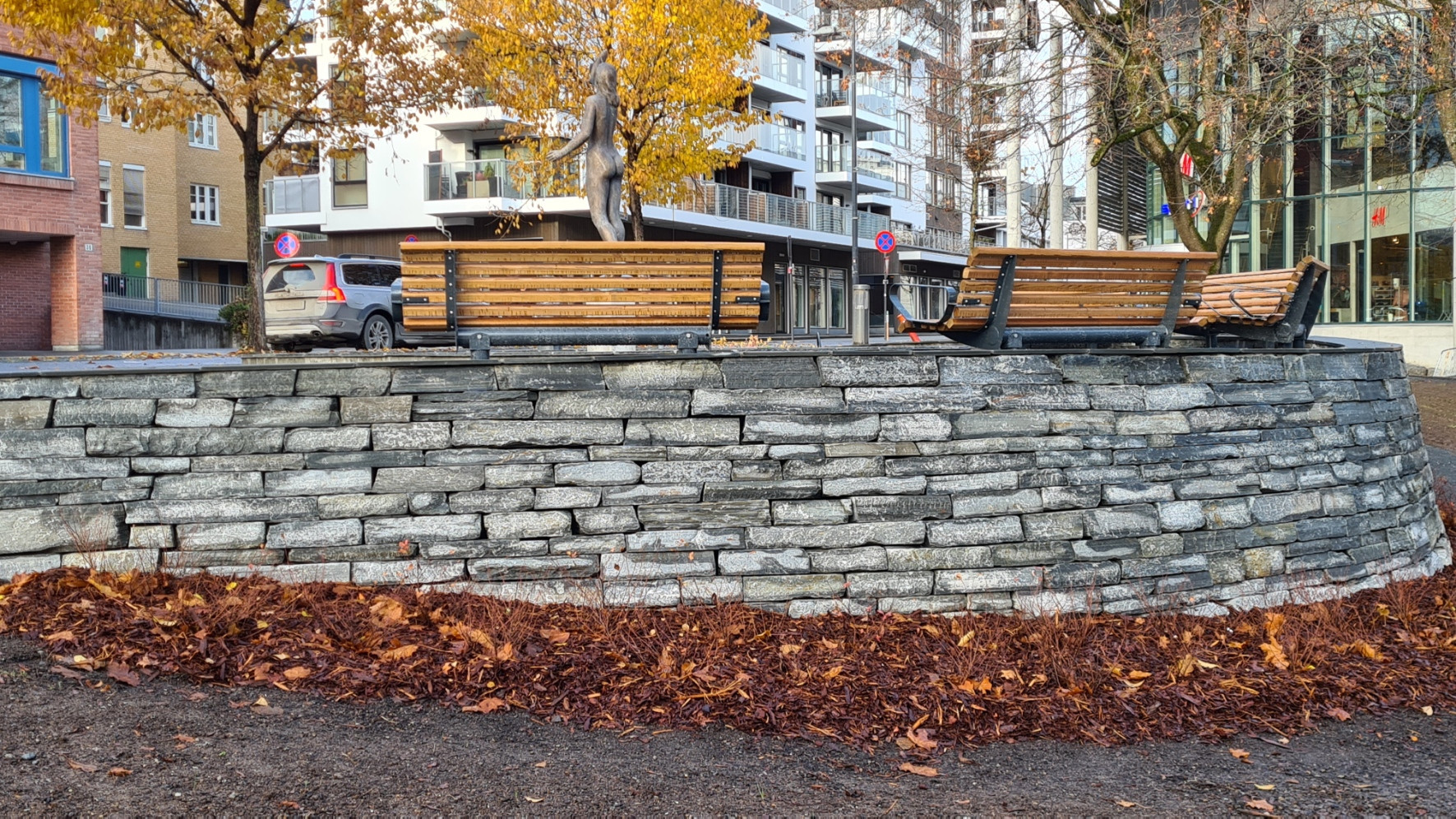
- Suitable for various interior and exterior applications.
Popular varieties include Taj Mahal, Cristallo, Sea Pearl, and other distinctive natural quartzites. Their appearance and performance can vary, so buyers should always inspect the actual slab before purchasing.
2. What Is Engineered Quartz?
Engineered quartz, commonly called quartz, is a manufactured surface created by combining crushed quartz minerals with polymer resins, pigments, and other additives.
Unlike natural quartzite, engineered quartz is produced in factories under controlled conditions. The mixture is compacted and processed into slabs, which are then finished in different colours, patterns, and surface textures.
Manufacturing gives producers greater control over the final appearance. This makes engineered quartz popular among homeowners and designers who prefer consistent colours and repeatable patterns.
Key characteristics of engineered quartz:
- Manufactured using crushed quartz and resin.
- Available in a wide range of colours and designs.
- Generally has a non-porous surface.
- Does not normally require sealing.
- Offers good everyday stain resistance.
- Requires protection from excessive heat.
- Primarily recommended for indoor applications unless the manufacturer specifies otherwise.
Engineered quartz is widely used for kitchen countertops, bathroom vanities, backsplashes, reception desks, and other interior surfaces.
3. Quartzite vs Quartz: Key Differences
Although both materials contain quartz minerals, their composition and manufacturing processes give them different properties.
Here is a quick comparison:
| Feature | Natural Quartzite | Engineered Quartz |
|---|---|---|
| Origin | Natural stone | Manufactured surface |
| Composition | Primarily natural quartz minerals | Crushed quartz, resins and pigments |
| Appearance | Unique natural patterns | Controlled and consistent designs |
| Hardness | Typically around 7 on Mohs scale | Depends on product formulation |
| Heat resistance | Generally very high | Sensitive to excessive heat |
| Porosity | Varies by stone | Generally non-porous |
| Sealing | May require periodic sealing | Usually does not require sealing |
| Maintenance | Depends on the variety and sealer | Generally easy to maintain |
| UV exposure | Generally suitable outdoors | Many products are not UV-stable |
| Best suited for | Indoor and outdoor projects | Primarily indoor projects |
The important point is that neither material is automatically better in every situation. The right choice depends on the project's requirements, design preferences, and maintenance expectations.
4. Appearance and Design: Which Looks Better?
Appearance is often one of the biggest deciding factors when comparing quartzite vs quartz.
Natural Quartzite
Quartzite offers something that manufactured surfaces cannot completely reproduce: natural variation.
Each slab develops its own patterns, mineral movements, colours, and textures. Some varieties feature soft, marble-like veins, while others have dramatic crystalline patterns.
This makes quartzite an attractive option for:
- Luxury kitchen countertops.
- Waterfall kitchen islands.
- Statement walls and feature panels.
- Bathroom vanities.
- Premium commercial interiors.
Engineered Quartz
Engineered quartz offers greater control over colour and pattern consistency. Manufacturers can create designs inspired by marble, granite, concrete, and other natural materials.
It is particularly useful when a project requires multiple slabs with a similar appearance.
It works well for:
- Modern kitchen countertops.
- Bathroom surfaces.
- Reception counters.
- Backsplashes.
- Large residential and commercial developments.
Which should you choose?
Choose quartzite if you appreciate natural patterns and want a distinctive stone surface. Choose engineered quartz if you prefer consistent colours, controlled designs, and a more predictable appearance.
5. Durability and Scratch Resistance
Both materials are considered durable, but they achieve their strength in different ways.
Natural quartzite is a hard metamorphic rock, typically measuring around 7 on the Mohs hardness scale. Its interlocking crystalline structure provides excellent resistance to everyday abrasion and scratching.
Engineered quartz also offers good scratch resistance because it contains hard quartz particles. However, the resin binder and overall product formulation influence its performance.
Although both materials are suitable for busy spaces, neither should be treated as completely scratch-proof.
Using cutting boards, avoiding abrasive cleaning products, and following the manufacturer's care recommendations can help maintain the surface for years.
6. Heat Resistance: Quartzite vs Quartz
Heat resistance is an important consideration, especially for kitchen countertops.
Quartzite generally offers better heat resistance because it is a natural stone formed under extremely high geological temperatures and pressures.
Engineered quartz contains resin, which can be affected by excessive heat. Direct contact with hot cookware may cause discolouration, surface damage, or other problems.
For this reason, trivets and heat-protective pads are recommended when using engineered quartz countertops.
If your project involves a kitchen with frequent cooking activity, natural quartzite may offer an advantage in heat tolerance. However, good kitchen practices are still recommended for both materials.
7. Maintenance and Cleaning
Maintenance is another major difference between these surfaces.
Maintaining Natural Quartzite
Quartzite is relatively easy to maintain, but its porosity can vary depending on the particular stone.
Some varieties benefit from professional sealing to reduce the risk of staining. The frequency of resealing depends on the stone, sealer, and amount of use.
Recommended practices include:
- Clean regularly using a soft cloth and a pH-neutral stone cleaner.
- Wipe spills promptly.
- Ask your fabricator whether the slab requires sealing.
- Avoid harsh chemicals and abrasive cleaning products.
Maintaining Engineered Quartz
Engineered quartz generally requires less maintenance because its surface is non-porous.
For routine cleaning, a soft cloth, water, and a mild household cleaner are usually sufficient, subject to the manufacturer's recommendations.
Avoid placing hot cookware directly on the surface and do not use harsh abrasive pads.
For buyers who prioritise convenient everyday cleaning, engineered quartz can be a practical option.
8. Applications: Where Should You Use Each Material?
Both materials are widely used in residential and commercial projects, but their properties make them suitable for different applications.
Best applications for quartzite:
- Luxury kitchen countertops and islands.
- Bathroom vanity tops.
- Feature walls and decorative cladding.
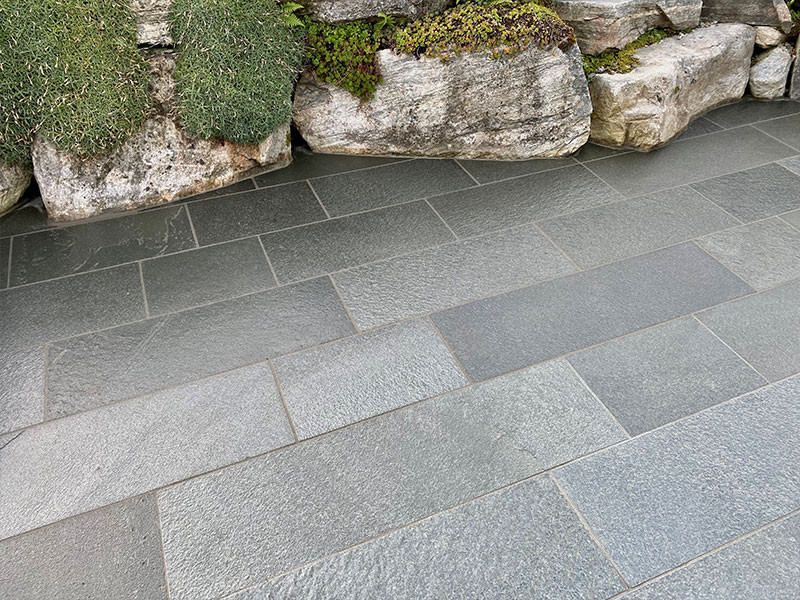
- Flooring and selected outdoor applications.
- Premium hospitality and commercial interiors.
Best applications for engineered quartz:
- Indoor kitchen countertops.
- Bathroom vanity tops.
- Kitchen backsplashes.
- Reception desks and work surfaces.
- Residential and commercial interior projects.
One important consideration is outdoor exposure. Natural quartzite is generally suitable for outdoor applications, depending on the specific stone and installation. Many engineered quartz products are not recommended for prolonged direct sunlight because UV exposure can affect their colour and resin.
Always confirm the manufacturer's technical specifications before selecting a material for a particular application.
9. Price Comparison: Is Quartzite More Expensive Than Quartz?
The cost of quartzite and engineered quartz depends on several factors, including quality, design, thickness, availability, origin, processing, and transportation.
Natural quartzite can be more expensive, particularly when it features rare colours, distinctive patterns, or limited availability. Quarrying, transportation, and slab processing also influence its final price.
Engineered quartz is available across different price ranges. Standard designs may be more affordable, while premium colours, finishes, and branded collections can cost significantly more.
When comparing prices, buyers should consider more than the slab cost. Fabrication, edge profiles, installation, wastage, transportation, and maintenance should also be included in the overall project budget.
For an accurate comparison, request quotations for specific slabs with matching thicknesses and finishes.
10. How to Choose Between Quartzite and Quartz
The best material depends on what matters most to your project.
Choose natural quartzite if:
- You prefer authentic natural stone.
- You want distinctive, one-of-a-kind patterns.
- Heat resistance is an important requirement.
- You need a material for selected outdoor applications.
- You appreciate the character of natural variations.
Choose engineered quartz if:
- You prefer consistent colours and patterns.
- Low-maintenance surfaces are a priority.
- You want a wide selection of manufactured designs.
- Your application is primarily indoors.
- You prefer a predictable product specification.
Before making a final decision, inspect physical samples or full slabs, discuss maintenance requirements with your supplier, and confirm that the selected material is suitable for its intended application.
Final Thoughts
The difference between quartzite and quartz goes beyond their names. One is a natural stone shaped by geological processes over millions of years, while the other is a manufactured surface designed for consistency and convenience.
Quartzite stands out for its natural beauty, distinctive patterns, hardness, and heat resistance. Engineered quartz offers design consistency, low porosity, and convenient everyday maintenance.
For buyers, architects, designers, and project professionals, understanding these differences is essential before selecting a surface material.
Explore different surface materials, discover suppliers, and find inspiration for your next project with Surfular.
Quartzite and Engineered Quartz on Surfular
Browse all
Source from verified suppliers
Tell us what you need once and get quotes from manufacturers and exporters on Surfular.
More articles
All articles MaterialsDifference Between Quartz vs Granite: Which Is Better for Worktops and Projects?Compare quartz vs granite for worktops and projects. Explore durability, cost, maintenance, design options, and tips for choosing a reliable supplier. · 8 min readRead
 MaterialsDifference Between Granite vs Marble: Durability, Care and CostGranite vs marble compared: durability, maintenance, cost and best uses for countertops, floors and commercial projects, to help you choose the right stone.